
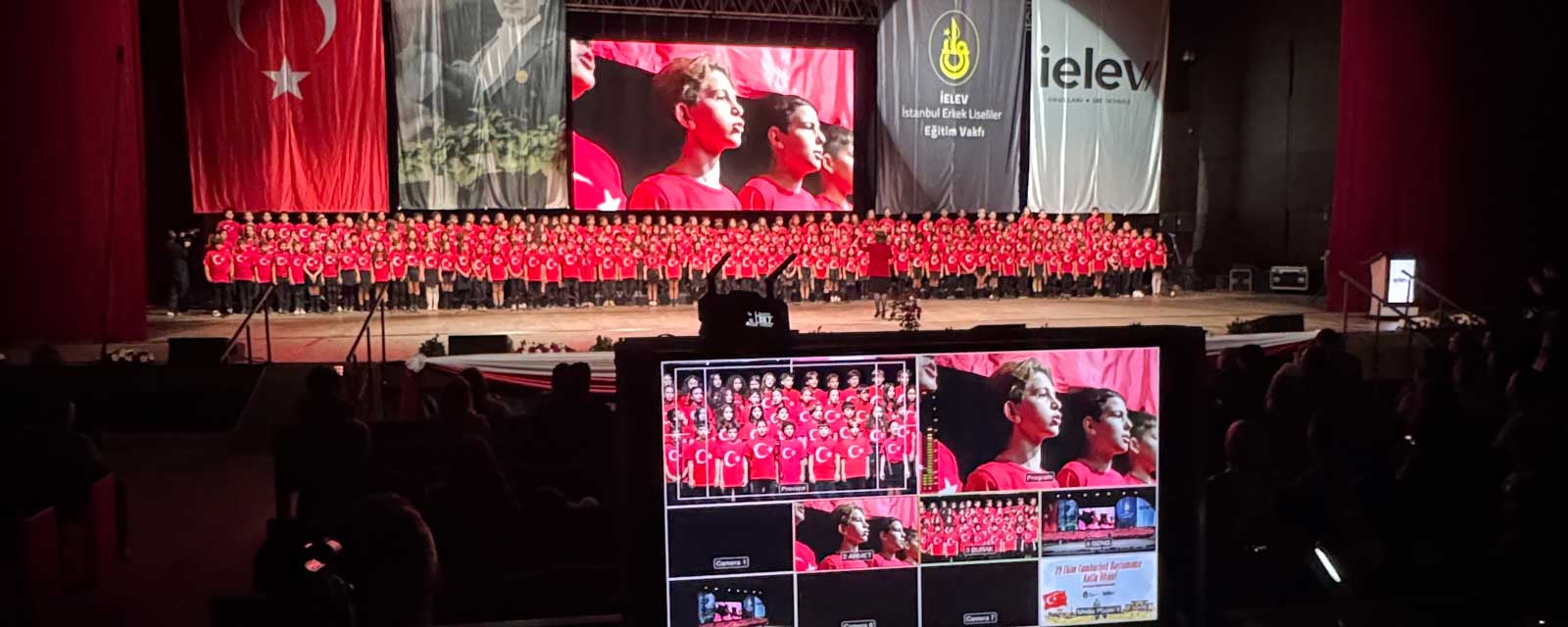
Multi-Camera Livestream
Today, digital content production and livestream technology are becoming more important by the day. Whether you're hosting a corporate event, a concert, a conference, or a sports competition, multi-camera livestream production is no longer a luxury — it's a necessity. So, what exactly is a multi-camera livestream, and how does it add value to your business?
What Is a Multi-Camera Livestream?
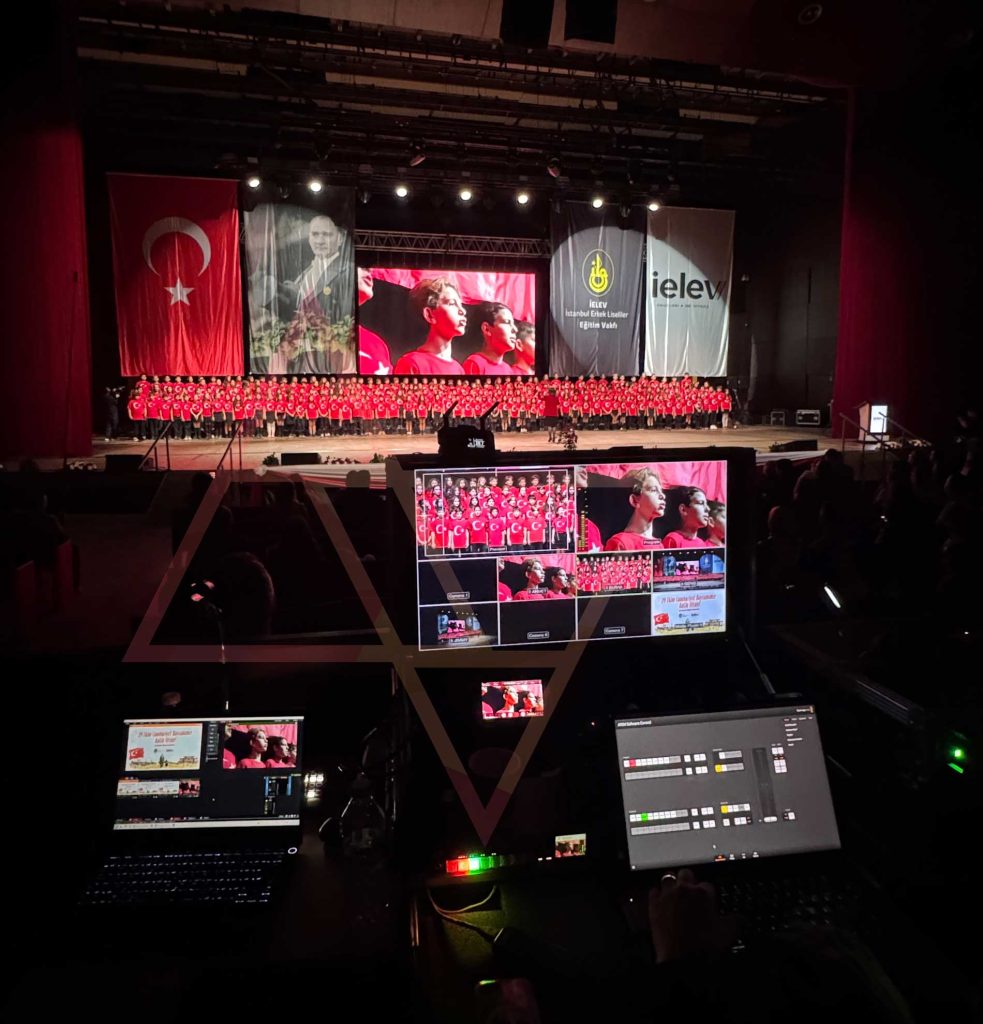
A multi-camera livestream system is the process of filming an event from multiple camera angles at once and broadcasting it in real time. This technique gives viewers a cinematic experience while giving organizers a professional way to present their event. Unlike single-camera broadcasts, multi-camera systems elevate the viewer experience with dynamic transitions, varied perspectives, and rich visual content.
The Advantages of Multi-Camera Broadcasting
A Professional Look: Television-quality production strengthens your brand's credibility and professionalism. Shots from multiple angles replace monotonous footage, making your content far more engaging.
Dynamic Content: The ability to switch seamlessly between different sources — close-ups of the speaker, wide shots of the venue, audience reactions, and the presentation screen — keeps your broadcast lively and fluid.
Wider Reach: When in-person attendance isn't possible, a high-quality livestream lets you reach viewers anywhere in the world. This multiplies the impact of your event many times over.
Archival Value: Professionally shot footage can later be edited, added to your corporate archive, and repurposed as marketing material.
Which Events Is It Suitable For?
Multi-camera livestream services have an extremely wide range of applications — suitable for anything from a solo webinar to a concert broadcast for tens of thousands of viewers:
- Corporate conferences and seminars
- Product launches and promotional events
- Concerts and stage performances
- Sports competitions and tournaments
- Educational webinars and online courses
- Panel discussions and talks
Technical Infrastructure and Equipment
Here are the essential elements needed for a professional multi-camera broadcast:
Camera Systems: At least 3-5 professional cameras are positioned at strategic points to cover different angles. Each camera is operated by an experienced crew member.
Audio System: Wireless microphones, ambient mics, and mixer systems are used to deliver crystal-clear sound.
Control Room: The command center — equipped with a video switcher, monitors, and livestream software — is the brain of the entire production.
Internet Infrastructure: A strong, stable internet connection is critical for an uninterrupted, high-quality broadcast.
Why Should You Hire a Professional Service?
With more than 10 years of experience, we know every event has its own unique needs. Technical glitches, audio-video sync issues, or poorly planned camera angles can hurt your entire event. A professional team stays with you every step of the way, from the site survey to post-broadcast support.
Our experienced camera crew ensures every moment is captured at the right time and from the right angle. Our technical team takes every precaution needed for a smooth, uninterrupted broadcast.
Conclusion
Multi-camera livestreaming is no longer reserved for big-budget productions — it's now accessible to events of every scale. With the right team and equipment, you can turn your event into an unforgettable experience and deliver your message professionally to thousands, even millions, of people.
If you're considering multi-camera livestream services for your next event, working with an experienced team guarantees you get the full value of your investment.
Frequently Asked Questions
What's the minimum number of cameras needed for a multi-camera livestream?
For a professional broadcast, at least 3-5 professional cameras are typically positioned at strategic points for different angles, with each one operated by an experienced crew member.
What kinds of events is a multi-camera livestream suitable for?
It can be used across a wide range of events, from corporate conferences to concerts, sports competitions, and webinars.
What advantage does a multi-camera broadcast have over a single-camera one?
It delivers a more dynamic, cinematic viewer experience by switching seamlessly between angles, and the footage can also be reused afterward as corporate archive or marketing material.