
Drone Filming: What It Is, Its Advantages, and Who Needs It
Visual content plays a key role in how brands and individuals engage with their audiences. In this context, drone filming — which goes beyond traditional filming techniques to offer unique perspectives — has become one of the most striking visual solutions of recent years. So what exactly is drone filming, and for which industries or individuals has it become an indispensable tool?
What Is Drone Filming?
Drone filming is the process of capturing aerial video and photo footage using unmanned aerial vehicles (UAVs), known as drones. Equipped with high-resolution cameras and remotely operated by professional pilots, these modern devices make it possible to capture striking visuals from angles that are difficult or impossible to reach with traditional methods. Drones can be fixed-wing or multi-rotor (quadcopter, hexacopter, etc.), and thanks to their gimbal systems, they minimize camera shake to deliver smooth, cinematic footage. This technology redefines far more than just a landscape shot — it's essentially storytelling from an aerial perspective.
The Advantages of Drone Filming
There are many strategic and aesthetic reasons why drone filming is preferred:
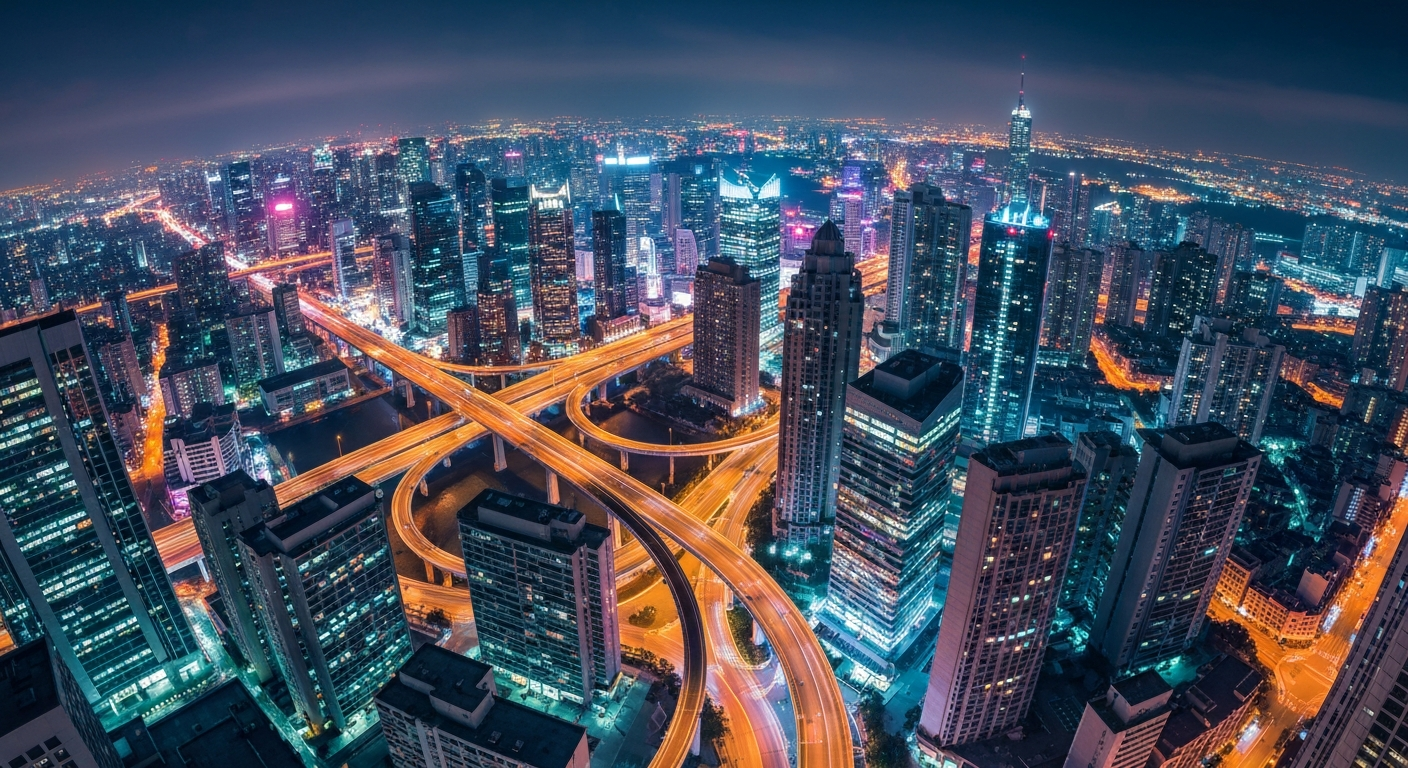
- Unique Perspective and Aesthetic Value: Aerial footage offers viewers a sweeping, striking point of view outside the ordinary. This adds cinematic depth and a professional feel to content, strengthening brand image.
- Cost Efficiency: Compared to traditional helicopter or crane-based aerial filming, drones offer the potential to achieve similar or better results at a much lower cost. This is a major advantage, especially for projects with budget constraints.
- Ease of Access and Flexibility: Drones can easily reach hard-to-access areas such as mountainous terrain, crowded city centers, or hazardous industrial zones. This flexibility allows for creative solutions across a wide range of projects.
- High-Resolution, Detailed Footage: Today's drones are capable of shooting video in 4K, 6K, and even 8K resolution. This ensures even the finest details are captured clearly, maximizing visual quality.
- Safety and Risk Reduction: Drones enable inspection, monitoring, or filming without requiring people to enter dangerous or high-risk areas, helping raise workplace safety standards.
Who Needs Drone Filming?
Thanks to the advantages it offers, drone filming has become an indispensable tool for a wide range of industries and professionals:
- Real Estate: Aerial showcases of properties for sale or rent, developments, and land give potential buyers a far more comprehensive view. Drones are especially valuable for showcasing large plots of land, villa projects, and residential complexes in all their surroundings.
- Construction: Drone filming makes it much easier to track construction site progress, measure land, conduct safety inspections, and showcase completed projects. Project managers can monitor site conditions in real time and provide stakeholders with regular reports.
- Tourism and Hospitality: Destination promotional videos and striking aerial footage of hotels, resorts, and tourist facilities play a critical role in attracting potential guests. They showcase natural beauty and the overall atmosphere of a facility at its best.
- Events and Organizations: Capturing the atmosphere and scale of large-scale events — concerts, festivals, sports events, weddings, and corporate organizations — from the air creates unforgettable memories and adds value to marketing materials.
- Marketing and Advertising Agencies: For brand promotional videos, product launches, and corporate films, drone filming leaves a strong impression on the target audience and reinforces a brand's modern, innovative image. It's indispensable for agencies looking to create dynamic, impactful ad content.
- Media and Broadcasting: For documentaries, news, film productions, and TV programs, drone filming makes it possible to show a location from a wide perspective, capture tracking shots, and produce visually rich content.
- Agriculture and Environmental Analysis: In inspecting large farmland, analyzing crop health, monitoring irrigation systems, and environmental monitoring projects, drones speed up data collection and analysis while lowering costs.
- Infrastructure Inspection: Inspecting critical infrastructure such as bridges, power lines, wind turbines, and other tall structures can be done safely and efficiently with drones, helping detect potential damage early.
Conclusion
Drone filming has become an integral part of today's visual communication strategies. Thanks to the unique perspectives, aesthetic value, and operational ease it provides, it's an indispensable tool across many industries. Whether you're showcasing a real estate project, documenting a corporate event, or simply want to tell striking visual stories, professional drone filming will add an entirely new dimension to your content. To make the most of this dynamic technology, working with an experienced, skilled drone operator is essential — both to comply with legal regulations and to achieve results beyond your expectations.
Frequently Asked Questions
What resolutions can drone filming be done in?
Today's drones are capable of shooting video in 4K, 6K, and even 8K resolution.
Which industries most commonly use drone filming?
It's used across a wide range of industries, including real estate, construction, tourism/hospitality, event organization, marketing/advertising agencies, media and broadcasting, agriculture, and infrastructure inspection.
Why is drone filming more advantageous than traditional aerial filming?
It's far more cost-effective than helicopter- or crane-based filming, can easily access mountainous or hazardous areas, and delivers smooth, cinematic footage thanks to gimbal systems.